
Bringing Global Rabbit Care Standards to Japan

Based on 30 years of rabbit-keeping experience in Japan and the US, we deliver rabbit care information in Japanese to protect the health and happiness of rabbits.
BunnyCareJP
House Rabbit Society (HRS)
International Partnership
BunnyCare JP is listed on the House Rabbit Society (HRS) official website as an International Partner.

From America to Japan | The Complete Guide to Bringing Your Rabbit Home by Plane
Publication date: April 11, 2026 Last updated: August 14, 2026
My personal experience of moving from Florida, USA to Japan (importing a rabbit) with my rescued rabbit, Bug-chan.

Bug-chan is a rabbit rescued in Florida, USA. When we moved to Japan, we brought her with us after a health check, USDA certificate, confirmation with the airline, and animal quarantine upon arrival in Japan. On this page, based on our actual travel experience with Bug-chan, we introduce the preparations and procedures for bringing a rabbit from the United States to Japan. Since quarantine and airline regulations can change, we have separated our personal experience from current official information.
Traveling by plane from the United States to Japan with a rabbit can be worrying for many owners, as there is less information available compared to traveling with dogs or cats. However, by following the correct procedures, it is entirely possible to safely bring your rabbit back to Japan. This article provides a detailed explanation of the procedures for transporting a rabbit from the United States to Japan, based on real-life experience.
① Procedures on the US side (USDA health certificate, state health checkup)
When exporting rabbits from the United States to Japan by air, the most important document is a certificate issued by the exporting country's government agency (USDA).
Medical Examination: Shortly before departure (e.g., 5 days prior), schedule an appointment with a veterinarian who can handle USDA paperwork and have your pet undergo a medical examination.
Certificate contents: The certificate must state that there is no risk of spreading the pathogens of tularemia, rabbit hemorrhagic disease, and rabbit myxoma.
USDA Endorsement: The veterinarian's documents must be sent to the USDA (United States Department of Agriculture) for their signature (endorsement). In most cases, this is done using express mail (such as FedEx).
Expiration Date: This certificate has an expiration date, so you must pay close attention to the timing, such as completing the process within 10 days of your arrival in Japan .
② Import quarantine in Japan (Ministry of Agriculture, Forestry and Fisheries requirements and quarantine period)
Rabbits arriving in Japan are required to undergo immediate inspection at the Animal Quarantine Station of the Ministry of Agriculture, Forestry and Fisheries.
Quarantine period: Typically, a 2-night, 3-day quarantine inspection is conducted at an animal quarantine station, such as Narita Airport.
Care during quarantine: The owner must visit the tethered rabbit in the morning and evening to provide care (feeding, cleaning, exercise, etc.).
Cost: There are no accommodation or fees for quarantine.
Import Quarantine Certificate: Once the inspection is successfully completed, an "Import Quarantine Certificate" signed by a livestock quarantine officer (veterinarian) will be issued, officially granting permission for the animal to enter Japan.
③ Choosing an airline and pet transport rules
When moving abroad with a rabbit on an international flight, a major point to consider is whether or not you can bring your rabbit in the cabin.
Japanese airlines (JAL and ANA): Generally, rabbits are not allowed in the passenger cabin and must be transported in the cargo hold.
US airlines such as United Airlines and Alaskan Airlines allow pets to be brought into the cabin in a carrier at the owner's feet for an additional fee.
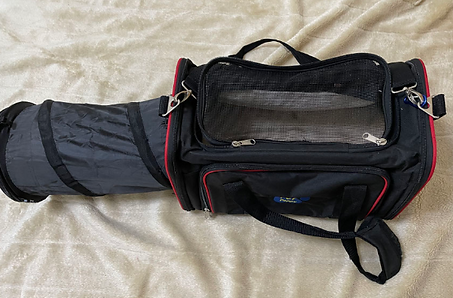
Preparing the carrier: It is recommended to prepare a carrier that is airline-approved in size and expands to allow your rabbit some room to move around during travel.
④ Preparation timeline (starting 12 weeks before departure)
Starting your preparations well in advance is key to success.
Three months ago (12 weeks ago): I gather the latest information on "import of rabbits" from the website of Japan's Ministry of Agriculture, Forestry and Fisheries, and begin checking the necessary documents with the quarantine station via email, etc.
One month in advance: Book a ticket with an airline that allows passengers in the cabin.
A few weeks before departure: Practice taking your rabbit for walks in the carrier to get it used to it.
5 days ago: I will have a health checkup at the veterinary clinic and submit the necessary paperwork to the USDA.
⑤ Frequently Asked Questions (FAQ) Moving a Rabbit
Q: What should I do about food and water for my rabbit on an airplane?
A: Since they may not drink water due to anxiety, you may need to take precautions such as putting water-rich vegetables in their carrier. You should also consider giving them water from a water dish when they are calm during the flight.
Q: Can I bring hay into Japan?
A: Please be aware that hay (such as timothy) packed in your carry-on luggage or suitcase may be confiscated during plant quarantine at Japanese airports.
Q: Is it possible to visit someone at the airport quarantine station?
A: Yes, at quarantine stations such as Narita Airport, you can visit your pet at designated times and provide meals and clean its cage.
Q: How long does the delivery take?
A: Depending on your departure point in the US, the journey can be long, sometimes exceeding 24 hours, including connecting flights. It's important to manage the health of both your rabbit and yourself.

