Bringing Global Rabbit Care Standards to Japan

Based on 30 years of rabbit-keeping experience in Japan and the US, we deliver rabbit care information in Japanese to protect the health and happiness of rabbits.
BunnyCareJP
BunnyCare JP is listed on the House Rabbit Society (HRS) as an International Partner.

The Complete Guide to Litter Training Your Rabbit | Tips and Methods to Avoid Mistakes
Published date: August 11, 2026 Last updated: August 11, 2026
The key to toilet training rabbits is using hay!
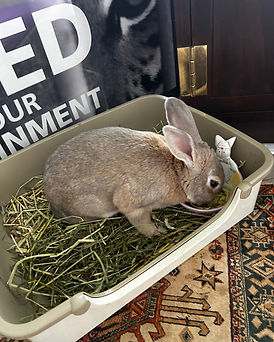
How to set up a litter box for rabbits while they eat hay
Rabbit toilet training guide
Hay is essential for keeping a rabbit's digestive tract functioning properly and preventing food from getting stuck. Chewing on fiber-rich hay for extended periods also helps to naturally wear down their teeth, which continue to grow throughout their lives.
If rabbits do not eat enough hay for an extended period, some of their teeth may grow sharp and injure their tongue, gums, or the inside of their cheeks. This can cause pain that prevents them from eating, so do not restrict the amount of hay they eat, and always provide fresh hay.


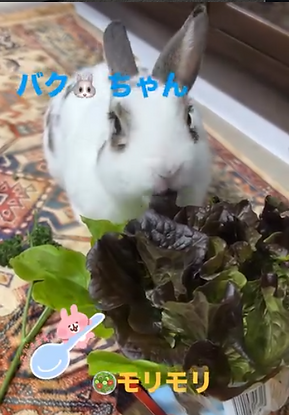
Hay for adult rabbits
Daily feeding requirements for adult rabbits: For healthy adult rabbits around one year old, the following types of grasses are suitable.
-
Timothy
-
Orchardgrass
-
Oat Hay
-
Grasses such as meadow hay
Alfalfa is high in calcium and calories, so it is mainly used for growing baby rabbits and nursing mother rabbits. Whether it is necessary for adult rabbits should be determined by consulting a veterinarian, taking into account their weight and health condition.
According to HRS documentation, the following amounts are recommended for adult rabbits aged approximately 1 to 5 years:
-
Hay: Provided in unlimited quantities so that it can be eaten at any time.
-
Pellets: 1/4 to 1/2 cup per 2.7 kg of body weight per day
-
Chopped vegetables: at least 2 cups per day for approximately 2.7 kg of body weight.
-
Fruits and other snacks: very small amounts
One cup here is approximately 240 ml using a US measuring cup. However, this is a general guideline for a healthy adult rabbit. The appropriate amount will vary depending on size, activity level, whether or not the rabbit is obese, and the condition of its teeth and digestive system.
It's important not to rely solely on numbers, but to check your pet's weight, stool size and volume, and changes in appetite every day.
How to choose and the amount of rabbit pellets
Pellets are not a staple food, but rather a supplement to hay. For adult rabbits, products made primarily from grasses such as timothy hay and containing 18% or more crude fiber are recommended.
Avoid products that contain fruits, seeds, nuts, corn, or yogurt drops. Feeding your pet only highly palatable ingredients can lead to nutritional deficiencies and a decrease in the amount of grass they eat.
If your pet is eating a lot of pellets and leaving the hay, do not drastically reduce the amount of pellets on your own. Instead, have your veterinarian check their current weight and health condition.
Vegetables and appropriate amounts to give to rabbits

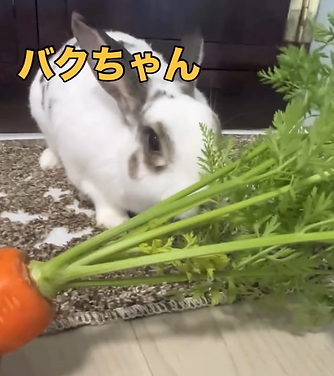
HRSは、成うさぎに毎日3種類以上の葉野菜を組み合わせて与えることを勧めています。新しい野菜は一度に何種類も加えず、1種類ずつ少量から始めてください。
軟便や下痢などの変化が見られた場合は、その野菜を中止します。安全とされる野菜でも、すべてのうさぎに同じように合うとは限りません。
葉野菜を中心にします
HRSの資料では、葉野菜を野菜全体の約75%とすることが推奨されています。
与えられる葉野菜の例:
-
ロメインレタス
-
赤・緑のリーフレタス
-
ルッコラ
-
チンゲンサイ
-
にんじんの葉
-
チコリ
-
パクチー
-
タンポポの葉
-
ディル
-
エンダイブ
-
ケール
-
ミント
-
クレソン
-
バジル
-
フェンネル
-
ラディッキオ
パセリ、ビーツの葉、からし菜、ラディッシュの葉、スイスチャードなど、シュウ酸を比較的多く含む野菜は種類を入れ替えながら与えます。HRS資料では、1日に与える3種類の葉野菜のうち、該当するものは1種類までとしています。
葉物以外の野菜は少量にします
葉物以外の野菜は、野菜全体の15%以下を目安にします。HRS資料では、体重約900gにつき1日大さじ1杯程度が示されています。
例:
-
パプリカ
-
ブロッコリーの葉や茎
-
芽キャベツ
-
キャベツ
-
セロリ
-
ズッキーニ
-
にんじん
-
食用として安全が確認されたバラやパンジーなどの花
にんじんは糖分が多いため、「うさぎの主食」というイメージで大量に与えないようにしましょう。
野菜は十分に洗います
野菜は、農薬や汚れを落としてから与えます。HRSは、ウサギ出血病ウイルス2型(RHDV2)への対策として、ボウルの水を数回交換しながら、野菜を少なくとも2分間洗うことを勧めています。
果物とおやつはごく少量にします
果物は糖分が多いため、毎日の主食にはできません。HRS資料では、果物を食事全体の10%以下、体重約900gにつき1日小さじ1杯程度までとしています。
少量与えられる果物の例:
-
りんご(茎と種を除く)
-
バナナ(皮を除く)
-
いちごなどのベリー類
-
ぶどう
-
キウイ
-
マンゴー
-
メロン
-
パパイヤ
-
桃(種を除く)
-
梨
-
パイナップル(皮を除く)
果物の種や大きな核は必ず取り除きます。おやつを選ぶ場合も、糖分の多い加工品より、牧草を主原料としたものを優先しましょう。
Food for baby rabbits, senior rabbits, and rabbits with chronic illnesses
Baby rabbits, nursing mother rabbits, elderly rabbits, underweight rabbits, and rabbits with pre-existing dental or digestive problems have different nutritional needs than adult rabbits.
In particular, when changing the type and amount of hay or pellets, do not make decisions based solely on age, but consult with a veterinarian who can check your pet's weight and health condition to create a feeding plan.
If your rabbit doesn't eat, don't wait and see.
Loss of appetite and reduced stool volume are important signs of illness in rabbits. The HRS (Human Health Ratings) considers it an emergency if neither food nor stool is detected for 12 hours.
A rabbit's refusal to eat hay could be due to underlying issues such as toothache, decreased digestive tract motility, or obstruction. Do not simply change its diet at home and continue to monitor the situation; contact a veterinary hospital that can treat rabbits.
Frequently Asked Questions about Rabbit Diet and Hay
How much hay does a rabbit need per day?
There are no restrictions on the amount, and the hay should be available 24 hours a day. Replace any old hay, even if there is some left over, and replenish with fresh, fragrant hay.
Can rabbits be kept on pellets alone?
Pellets alone do not provide sufficient chewing time or dietary fiber. A healthy rabbit's diet should consist mainly of hay, with pellets given as a supplement.
Is it okay to feed my rabbit carrots every day?
Carrots are high in sugar, so use only a very small amount. The leafy parts can be used as a leafy vegetable option, but introduce new ingredients in small quantities.
What should I do if my rabbit won't eat timothy hay?
You could try offering other grasses such as orchardgrass or oat hay. However, if your rabbit suddenly stops eating grass or its droppings decrease, it could be a dental or digestive problem, so you should take it to the vet.
Is it okay to give them vegetables every day?
Healthy adult rabbits can be fed a combination of leafy greens daily. However, when introducing new vegetables, start with small amounts of one type at a time and check for any changes in their stool or appetite.
Reference materials
This article is based on the House Rabbit Society's "What to Feed Your Rabbit / Vegetables Safe to Give Rabbits (2025)" as its primary source material.
The amount of food given is a general guideline and should not be used as a substitute for diagnosis or treatment of individual rabbits.